
Borderline Hip Dysplasia
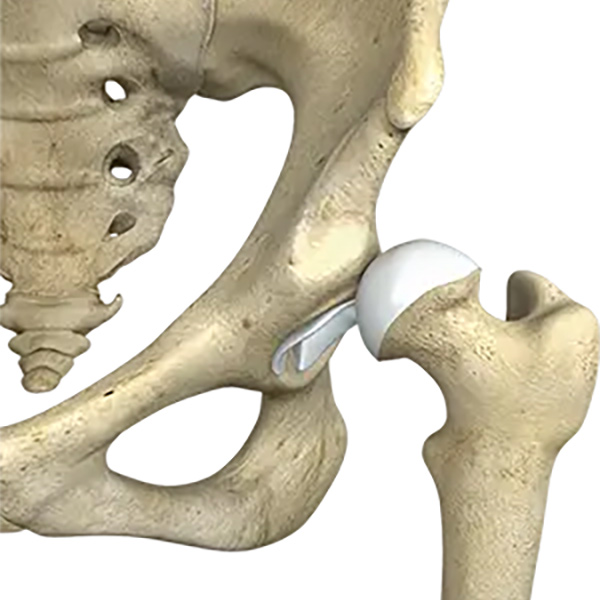
At AHIRF, we have played a leading role in advancing the understanding and treatment of borderline hip dysplasia through dedicated research and innovation. Our work has improved diagnostic precision, refined surgical indications, and optimized outcomes—particularly through hip arthroscopy and combined techniques. By focusing on the nuances of this condition, we continue to lead efforts in personalizing care, preserving native hip anatomy, and enhancing long-term function for patients with borderline dysplasia.
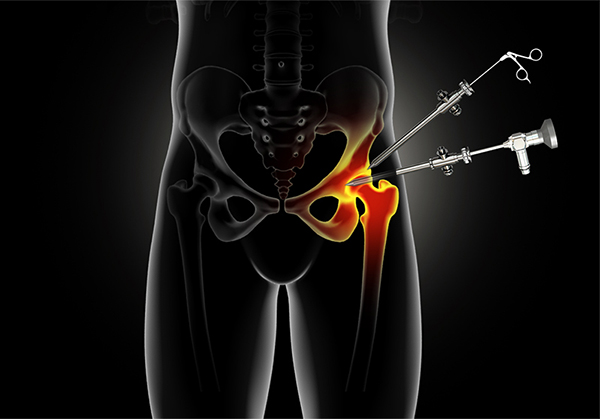
Research Highlights
- Borderline Dysplasia After Primary Hip Arthroscopy with Capsular Plication and Labral Preservation: Ten-Year Survivorship and Patient-Reported Outcomes
- Achieving Successful Outcomes in High-Level Athletes With Borderline Hip Dysplasia Undergoing Hip Arthroscopy With Capsular Plication and Labral Preservation
- Periacetabular Osteotomy in Athletes With Symptomatic Hip Dysplasia Allows for Participation in Low-, Moderate-, and High-Impact Sports
- Outcomes of Hip Arthroscopy With Concomitant Periacetabular Osteotomy, Minimum 5-Year Follow-Up
- An Intact Ligamentum Teres Predicts a Superior Prognosis in Patients With Borderline Dysplasia: A Matched-Pair Controlled Study With Minimum 5-Year Outcomes After Hip Arthroscopic Surgery
Search Our Publications by Topic
- Sex-Based Differences in Outcomes, Clinical Benefit, and Survivorship in Patients With Borderline Hip Dysplasia Undergoing Hip Arthroscopy at a Minimum 5-Year Follow-up: A Propensity-Matched Comparison Study
- Borderline Dysplasia After Primary Hip Arthroscopy with Capsular Plication and Labral Preservation: Ten-Year Survivorship and Patient-Reported Outcomes
- Hip Arthroscopic Surgery With Labral Preservation and Capsular Plication in Patients With Borderline Hip Dysplasia: Minimum 5-Year Patient-Reported Outcomes
- Arthroscopic Capsular Plication and Labral Seal Restoration in Borderline Hip Dysplasia: 2-Year Clinical Outcomes in 55 Cases
- Arthroscopic Capsular Plication and Labral Preservation in Borderline Hip Dysplasia: Two-Year Clinical Outcomes of a Surgical Approach to a Challenging Problem
- Arthroscopic Treatment of Hip Pain in Adolescent Patients With Borderline Dysplasia of the Hip: Minimum 2-Year Follow-Up
- Arthroscopic Capsular Plication in Patients With Labral Tears and Borderline Dysplasia of the Hip: Analysis of Risk Factors for Failure
- Borderline Dysplastic Female Patients With Painful Internal Snapping Improve Clinical Outcomes At Minimum 2-Year Follow-Up Following Hip Arthroscopy With Femoroplasty, Labral Repair, Iliopsoas Fractional Lengthening, and Capsular Plication
- An Intact Ligamentum Teres Predicts a Superior Prognosis in Patients With Borderline Dysplasia: A Matched-Pair Controlled Study With Minimum 5-Year Outcomes After Hip Arthroscopic Surgery
- High-Level Athletes With Borderline Hip Dysplasia Achieve Favorable Outcomes and Return to Sport Rates Following Primary Hip Arthroscopy
- Achieving Successful Outcomes in High-Level Athletes With Borderline Hip Dysplasia Undergoing Hip Arthroscopy With Capsular Plication and Labral Preservation
- One Bony Morphology, Two Pathologic Entities: Sex-Based Differences in Patients With Borderline Hip Dysplasia Undergoing Hip Arthroscopy
- Concomitant Peri-Acetabular Osteotomy and Arthroscopy Versus Isolated Arthroscopy With Capsular Plication for Borderline Dysplasia
- No Difference in Patient-Reported Outcomes for Periacetabular Osteotomy and Hip Arthroscopy With Capsular Plication in the Setting of Borderline Hip Dysplasia
- Patient-Reported Outcomes After Periacetabular Osteotomy Versus Hip Arthroscopy for Borderline Acetabular Dysplasia Are Both Favorable: A Systematic Review
- Radiographs Underestimate Lateral Center-Edge Angle and Tönnis Angle Measurements Compared to Computed Tomography Scan in Assessment of Borderline and Frank Acetabular Dysplasia
- A Multicenter Study of Radiographic Measures Predicting Failure of Arthroscopy in Borderline Hip Dysplasia: Beware of the Tönnis Angle
- A Multicenter Study of Radiographic Measures Predicting Failure of Arthroscopy in Borderline Hip Dysplasia: Response
- Radiographic Measures Predicting Failure of Arthroscopy in Borderline Hip Dysplasia: Response
- Is Hip Arthroscopy Effective in Patients With Combined Excessive Femoral Anteversion and Borderline Dysplasia? A Match-Controlled Study
- Is Hip Arthroscopy Effective in Patients With Combined Excessive Femoral Anteversion and Borderline Dysplasia? Response
- Evaluate for the Beighton Score and Additional Radiographic Signs of Instability Prior to Proceeding With Hip Arthroscopy in Patients With Combined Borderline Hip Dysplasia and Excessive Femoral Anteversion (Editorial Commentary)
- Editorial Commentary: Arthroscopic Treatment of Mild Hip Dysplasia Can Result in Excellent Outcome and Avoid More Invasive Periacetabular Osteotomy
- Editorial Commentary: Evaluate for the Beighton Score and Additional Radiographic Signs of Instability Prior to Proceeding With Hip Arthroscopy in Patients With Combined Borderline Hip Dysplasia and Excessive Femoral Anteversion